Living With Chronic Pain or Fibromyalgia: How Physiotherapy Can Help You Regain Control

December 27th, 2025

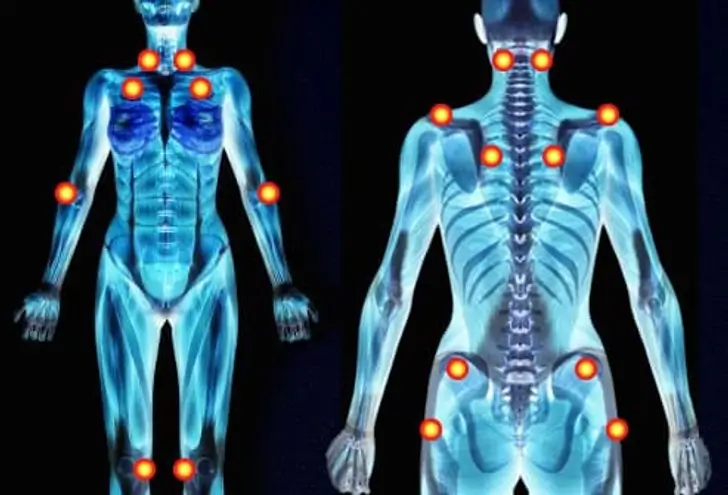
Chronic pain has a way of quietly taking over daily life. Tasks that once felt automatic getting out of bed, sitting at a desk, walking for groceries start to feel heavy and unpredictable. For people living with fibromyalgia, this experience is even more complex. Pain feels widespread, fatigue sets in early, sleep is unrefreshing, and it can be difficult to explain what’s happening to others when scans and tests look “normal.”

At Raynen Therapies in Scarborough, chronic pain and fibromyalgia are treated with a clear understanding of one core truth: this pain is real, and it is treatable. Physiotherapy does not promise an overnight cure, but it offers something far more valuable steady, evidence-based progress toward better function, less pain, and a stronger sense of control over your body.

Understanding Fibromyalgia and Chronic Pain

Fibromyalgia is not caused by damaged muscles or joints. Instead, it is linked to how the nervous system processes pain. The brain and spinal cord become overly sensitive, amplifying signals that would not normally be painful. Over time, this heightened sensitivity can affect movement, balance, energy levels, and even concentration.

This is why rest alone does not solve the problem. Avoiding movement may feel protective in the short term, but it often reinforces stiffness, weakness, and fear of activity. The goal of physiotherapy is to gently retrain the body and nervous system to move safely again, without triggering flare-ups.

Why Physiotherapy Matters in Chronic Pain

Physiotherapy for chronic pain is different from treatment for an acute injury. It is not about pushing through pain or chasing short-term relief. Instead, it focuses on rebuilding trust between the brain and the body.

At Raynen Therapies, treatment is paced, personalized, and grounded in how chronic pain actually works. Sessions aim to reduce sensitivity, improve movement efficiency, and gradually increase tolerance to daily activities. This approach helps patients move forward without feeling overwhelmed or discouraged.

What the Assessment Looks Like

The first step is understanding how pain is affecting your specific body and lifestyle. The physiotherapist looks beyond pain intensity and explores how you move, how you balance, where tension builds up, and which activities trigger symptoms.

Assessment may include posture analysis, range-of-motion testing, strength evaluation, balance and gait assessment, and discussion of daily routines. This information helps shape a plan that fits your reality not a generic exercise sheet.

Key Components of Treatment

1.⁠ ⁠Gentle, Progressive Exercise

Exercise is one of the most effective tools for managing fibromyalgia, but it must be introduced carefully. Early sessions focus on low-impact, controlled movements that improve circulation, joint mobility, and muscle coordination. Over time, strength and endurance are gradually built without overwhelming the nervous system.

The emphasis is on consistency, not intensity. Small improvements compound into meaningful change.

2.⁠ ⁠Manual Therapy

Hands-on techniques such as soft tissue release and joint mobilization can help reduce muscle tension and improve mobility. Manual therapy also provides calming sensory input to the nervous system, which is especially important in people with heightened pain sensitivity.

Rather than aggressive techniques, the approach is measured and responsive to how your body reacts session by session.

3.⁠ ⁠Nervous System Regulation

Chronic pain often comes with balance issues, dizziness, or a sense of physical instability. For some patients, vestibular or proprioceptive exercises are included to help the brain better interpret body position and movement. Breathing techniques and pacing strategies may also be introduced to reduce flare-ups linked to stress or fatigue.

4.⁠ ⁠Pain-Relief Modalities

Depending on individual needs, supportive modalities such as electrical stimulation, acupuncture, or dry needling may be used to reduce pain and muscle guarding. These tools are not used in isolation but as part of a broader rehabilitation plan that prioritizes active recovery.

A Phased, Sustainable Approach

Rehabilitation typically progresses through stages.

In the early phase, the focus is on calming symptoms and restoring basic movement confidence. Exercises are simple, and sessions emphasize reassurance and stability.

As symptoms become more predictable, therapy shifts toward improving strength, posture, and endurance for real-world activities standing longer, walking farther, returning to work tasks, or exercising again.

The final phase focuses on independence. Patients learn how to manage flare-ups, pace activities, and continue progressing on their own. The goal is not dependence on therapy but long-term self-management.

What Improvements Can You Expect?

While fibromyalgia does not have a single cure, research consistently shows that active physiotherapy improves quality of life. Patients often report reduced pain intensity, fewer flare-ups, better sleep, improved balance, and greater confidence in daily movement.

Progress is gradual, but it is real. Many people notice that activities which once felt impossible become manageable again.

Care in Scarborough and the Greater Toronto Area

Raynen Therapies serves individuals across Scarborough and Toronto who are living with chronic pain, fibromyalgia, and related conditions. Treatment is individualized, evidence-based, and focused on restoring function rather than masking symptoms.

The clinic’s approach recognizes that chronic pain affects the whole person not just muscles and joints. By addressing movement, nervous system sensitivity, and daily habits together, physiotherapy becomes a practical and empowering part of long-term care.

Moving Forward

Living with chronic pain can feel isolating, especially when answers are unclear and progress feels slow. Physiotherapy offers a structured, supportive way to move forward without pressure or false promises. With the right approach, it becomes possible to rebuild strength, reduce pain, and reclaim daily life one steady step at a time.