The Essential Guide to Sports Injury Physiotherapy: Your Path to Recovery and Peak Performance

February 16th, 2026
Sports Injury Physiotherapy

Whether you’re a weekend warrior, competitive athlete, or fitness enthusiast, sports injuries can be both physically painful and mentally frustrating. The good news is that sports injury physiotherapy has evolved into a sophisticated field that not only helps heal injuries but also prevents future setbacks and enhances athletic performance. Understanding how physiotherapy works and what to expect can make all the difference in your recovery journey.

Understanding Sports Injuries

Sports injuries come in many forms, from acute trauma like ligament tears and fractures to overuse conditions like tendonitis and stress fractures. Common injuries include ankle sprains, ACL tears, rotator cuff injuries, tennis elbow, runner’s knee, and hamstring strains. Each injury presents unique challenges, but they all share one thing in common: the need for proper assessment, treatment, and rehabilitation.

The impact of a sports injury extends beyond physical pain. Athletes often experience anxiety about returning to their sport, fear of re-injury, and frustration with the recovery timeline. This is where a skilled sports physiotherapist becomes invaluable, addressing not just the physical injury but also the psychological aspects of recovery.

What Makes Sports Physiotherapy Different

Sports physiotherapy is a specialized branch of physiotherapy that focuses on the prevention, assessment, treatment, and rehabilitation of injuries related to sport and exercise. Unlike general physiotherapy, sports physios have specific training in biomechanics, sports-specific movements, and the unique demands placed on athletic bodies.

Sports physiotherapists understand that an athlete’s goals differ from those of the general population. While someone recovering from a hip replacement might aim to walk comfortably around the block, an athlete wants to return to sprinting, jumping, or pivoting at full speed. This difference in objectives requires a specialized approach that progressively challenges the body while ensuring safe healing.

The Physiotherapy Assessment Process

Your first physiotherapy session typically begins with a comprehensive assessment. The physiotherapist will ask detailed questions about how the injury occurred, your symptoms, your sport or activity, and your goals. This conversation provides crucial context for developing an effective treatment plan.

The physical examination involves assessing your range of motion, strength, balance, and movement patterns. Your physiotherapist might watch you perform sport-specific movements to identify compensatory patterns or biomechanical issues that contributed to your injury. They may also assess areas beyond the injury site, as problems in one area often relate to dysfunction elsewhere. For example, knee pain might stem from hip weakness or ankle stiffness.

Advanced physiotherapy clinics may use technology like video analysis, force plates, or ultrasound imaging to gain deeper insights into your injury and movement patterns. This data-driven approach helps create more targeted interventions.

Treatment Techniques and Modalities

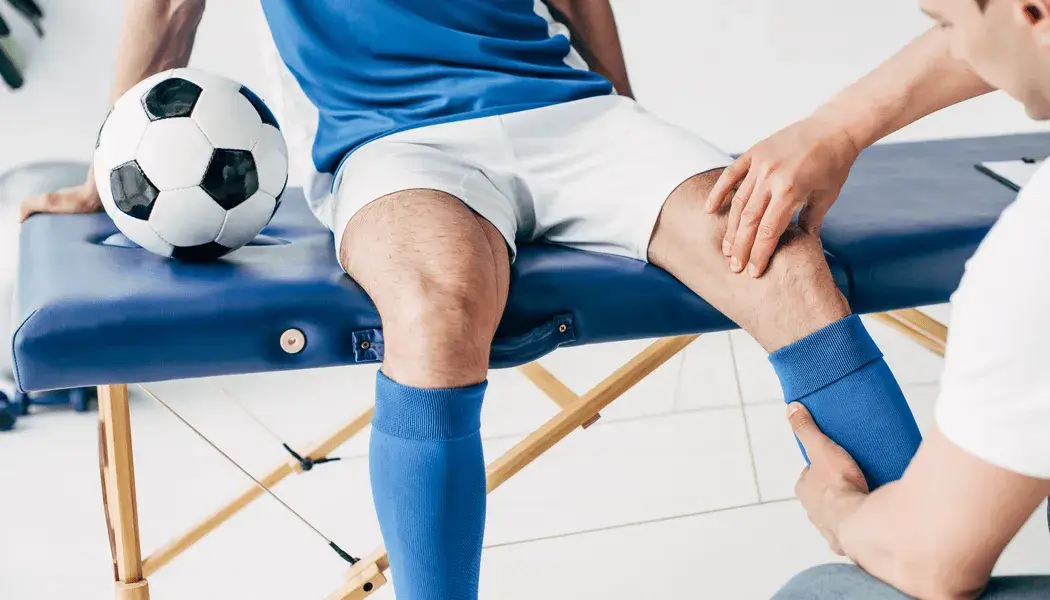
Modern sports physiotherapy employs a diverse toolkit of treatment techniques. Manual therapy, including massage, joint mobilization, and soft tissue release, helps reduce pain, improve mobility, and promote healing. These hands-on techniques can address muscle tension, joint stiffness, and scar tissue formation.

Therapeutic exercises form the cornerstone of rehabilitation. Your physiotherapist will design a progressive exercise program that starts with basic movements and gradually increases in complexity and intensity. Early-stage exercises might focus on reducing swelling and maintaining range of motion, while later phases emphasize strength, power, and sport-specific movements.

Modalities like ultrasound, electrical stimulation, ice, and heat can complement manual therapy and exercise. While these shouldn’t be the primary focus of treatment, they can help manage pain and inflammation in the acute phase of injury.

Taping techniques, whether using rigid sports tape or elastic kinesiology tape, provide support and proprioceptive feedback during the healing process. Properly applied tape can help protect injured structures while allowing continued movement and activity.

The Rehabilitation Phases

Sports injury rehabilitation typically follows a progressive framework. The acute phase focuses on controlling pain and inflammation while protecting the injured tissue. The physiotherapist might use the RICE protocol (Rest, Ice, Compression, Elevation) alongside gentle movements to prevent stiffness.

During the subacute phase, treatment emphasizes restoring normal range of motion and beginning strength training. Exercises become more active, and you’ll likely start performing functional movements related to daily activities.

The functional phase bridges the gap between basic strength and sport-specific demands. You’ll work on balance, coordination, agility, and power. Exercises might include plyometrics, sport-specific drills, and movements that mimic the demands of your activity.

Finally, the return-to-sport phase ensures you’re truly ready to resume full participation. Your physiotherapist will assess whether you’ve met specific criteria like strength ratios between injured and uninjured sides, successful completion of sport-specific tests, and psychological readiness to compete.

Prevention and Performance Enhancement

The best sports physiotherapists don’t just treat injuries; they work to prevent them. Through movement screening and biomechanical analysis, physios can identify risk factors before they lead to injury. Weakness in certain muscle groups, limited flexibility, poor movement patterns, or training errors can all be addressed proactively.

Many athletes continue working with physiotherapists even when injury-free, using their expertise to optimize performance, fine-tune movement efficiency, and maintain peak physical condition throughout their competitive season.

Choosing the Right Physiotherapist

Not all physiotherapists have equal experience with sports injuries. Look for practitioners with specialized training in sports physiotherapy, experience treating athletes in your sport, and a treatment philosophy that emphasizes active rehabilitation over passive modalities. A good sports physio should educate you about your injury, involve you in goal-setting, and empower you to take ownership of your recovery.

Communication with your coaching staff, training partners, and other healthcare providers is also important. The best outcomes occur when everyone works together toward your return to sport.

Conclusion

Sports injury physiotherapy combines science, skill, and understanding of athletic demands to help you recover from injury and return to the activities you love. By addressing the root causes of injury, progressively challenging your body, and preparing you for the specific demands of your sport, physiotherapy provides a clear pathway from injury back to peak performance. Whether you’re dealing with a current injury or looking to prevent future problems, partnering with a skilled sports physiotherapist is one of the best investments you can make in your athletic journey.

Remember, recovery takes time, patience, and consistent effort. Trust the process, stay committed to your rehabilitation program, and you’ll emerge stronger and more resilient than before.

Tags: