
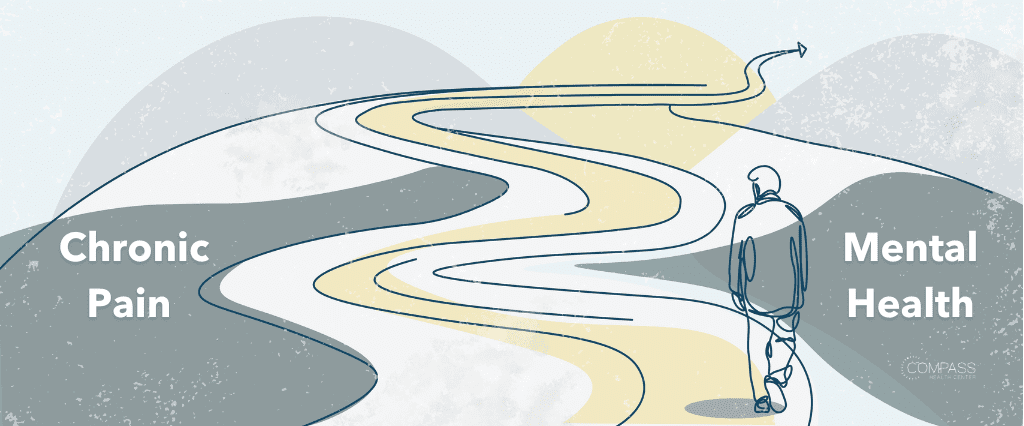
Why treating pain means treating the whole person, not just the body
If you’ve ever lived with chronic pain, you already know it’s about more than just the physical sensation. There are days when getting out of bed feels impossible not just because of the pain itself, but because of the weight that comes with it. The frustration. The exhaustion. The creeping sense that things may never get better.
What many people don’t realize is that this isn’t weakness, and it isn’t “all in your head.” There is a deep, well-documented relationship between chronic pain and mental health, one that researchers and clinicians are only beginning to fully understand. And here in Toronto, where life moves fast and the pressure to keep going is constant, this connection is something we see in our clinic every single day.
What Is Chronic Pain, Exactly?
Pain is considered “chronic” when it persists for three months or longer — often well beyond the normal healing timeline for an injury or illness. It can stem from a specific condition like arthritis, a herniated disc, or fibromyalgia, or it may develop after an injury that should have healed but didn’t.
In Canada, an estimated 1 in 5 people live with chronic pain. It is one of the leading reasons people seek healthcare, miss work, and withdraw from the activities that make life meaningful.
The Brain–Body Connection: Why Pain Affects Your Mood
Pain isn’t just processed in your muscles or joints — it’s processed in your brain. The same neural pathways that handle physical pain also regulate mood, emotion, and stress. This is why chronic pain and mental health conditions don’t just coexist; they actively influence each other.
Here’s what’s happening beneath the surface:
- Neurotransmitter overlap. Serotonin and norepinephrine — the chemicals most associated with mood regulation — also play a central role in how the nervous system modulates pain. When these systems are disrupted (as they are in depression and anxiety), the body’s ability to dampen pain signals is also reduced.
- Cortisol and chronic stress. When you’re in pain, your body is under stress. Prolonged stress elevates cortisol levels, which can heighten inflammation, disrupt sleep, and lower your pain threshold — creating a cycle that makes both pain and anxiety worse.
- Sleep disruption. Chronic pain is a major cause of poor sleep, and poor sleep dramatically worsens both pain sensitivity and mood. Many of our Toronto patients tell us their pain feels significantly worse after a bad night — and the research backs this up entirely.
- Depression, Anxiety, and Chronic Pain: A Two-Way Street
Studies consistently show that people with chronic pain are significantly more likely to experience depression and anxiety — and vice versa. This isn’t coincidence. It’s biology.
Depression doesn’t just follow pain; it amplifies it. When someone is depressed, their nervous system becomes more sensitized to pain signals. This is sometimes called “pain catastrophizing” — not because the pain isn’t real, but because the brain’s alarm system gets stuck in the “on” position.
Anxiety works in a similar way. When you’re anxious, your muscles tense, your breathing becomes shallow, and your body enters a low-grade fight-or-flight state. Over time, this sustained tension contributes to musculoskeletal pain, headaches, jaw tightness, and more.
The result is what clinicians call the “pain-depression cycle”: pain leads to low mood, low mood makes pain harder to cope with, and avoidance of movement or activity leads to physical deconditioning — which makes pain worse again.
Social Isolation and Loss of Identity
Beyond the neurological, there’s the deeply human side of living with chronic pain. Chronic pain changes lives. It limits the activities people love — whether that’s hiking the trails at High Park, playing hockey on the weekend, or simply picking up their kids without wincing.
This loss of function often leads to social withdrawal, reduced confidence, and a grief-like response to the life one had before the pain started. These are real psychological injuries — and they deserve as much care and attention as the physical ones.
How We Approach Chronic Pain at Our Clinic
Understanding the mind-body connection changes how we treat pain. It means we don’t just look at the site of injury — we look at the whole person.
Physiotherapy helps retrain movement patterns, reduce fear of movement (kinesiophobia), and rebuild strength and function. Gradual, supported movement is one of the most effective ways to break the pain cycle.
Massage therapy activates the parasympathetic nervous system — essentially switching the body from “fight or flight” to “rest and recover.” This directly counters the stress-driven component of chronic pain and can meaningfully reduce anxiety.
Chiropractic care addresses joint mechanics, nerve irritation, and musculoskeletal alignment that may be contributing to ongoing pain. Reducing peripheral pain signals can help calm an overactive central nervous system.
We also work collaboratively with mental health professionals when appropriate. If a patient is struggling with depression, anxiety, or psychological trauma alongside their physical pain, we’ll say so — and help connect them with the right support.
What You Can Do Today
If you’re living with chronic pain, here are a few evidence-based steps that can help break the cycle:
Move gently and consistently. Even light movement, a short walk, stretching, or gentle exercise, releases endorphins and counters the deconditioning that worsens pain.
Prioritize sleep. Work on sleep hygiene: a consistent schedule, a dark cool room, and limiting screens before bed. Ask us about positions and supports that can reduce nighttime pain.
Don’t go it alone. Chronic pain thrives in isolation. Whether it’s a physiotherapist, a counsellor, a support group, or a trusted friend — connection matters.
Talk to your care team about the whole picture. You don’t have to keep your mental health struggles separate from your physical ones. The more your practitioners understand about your full experience, the better they can help.
You Are Not Imagining It
Chronic pain is real. The emotional toll it takes is real. And the good news is that both are treatable, especially when addressed together.
At our clinic in Toronto, we believe in treating people, not just injuries. If you’re struggling with pain that won’t go away, and the weight that comes with it — we’re here to help. Book a consultation today and let’s talk about a care plan that addresses everything you’re carrying.